
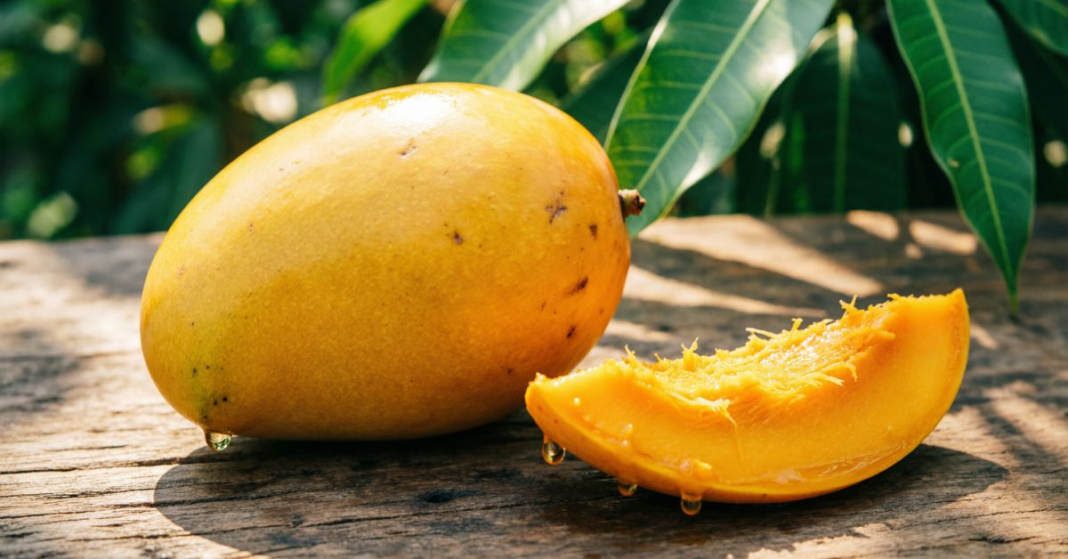

There is no fruit more woven into Pakistani culture than the Aam. From Multan’s dusty orchards to Mirpurkhas’s lush groves, mango season is a national celebration. The moment golden hues flood the bazaars and that unmistakable sweet Aroma fills the air, every Pakistani knows summer has arrived.
The 2026 season promises exceptional Mithas (sweetness) ; a cooler February allows blossoms to set properly across Sindh and South Punjab. Whether you are a Quality Seeker hunting a perfect Tapa (tree ripened) Chaunsa or an Overseas Gift Giver shipping boxes abroad, this guide delivers what competitors miss: varietal science, Mandi secrets, carbide-detection techniques, and honest Guda (pulp) data.
Quick Answer Box: Pakistan’s Best Mangoes at a Glance
| Category | Variety | Why It Wins |
| The Sweetest | Chaunsa (Samar Bahisht) | 24 to 26 Brix, near-zero Resha, honey-like Guda |
| The Most Fragrant | Anwar Ratol | Unmatched Aroma, intensely concentrated sweetness |
| Best for Shakes | Sindhri | High pulp volume, smooth Guda, low Resha |
The Varietal Calendar: Why Timing Is Everything
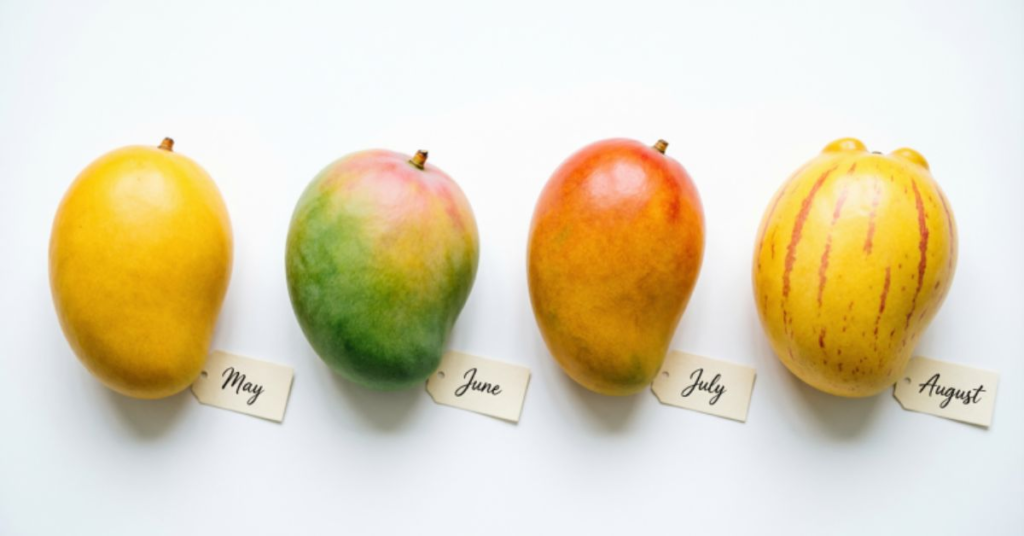
Buying the wrong variety at the wrong time is the costliest mango mistake. A May “Chaunsa” is almost certainly force-ripened. Know the calendar.
2026 Season Timeline (May to September)
- May: Sindhri from Mirpurkhas opens the season (peak: May 15 June 10). Any “Chaunsa” at this stage is not genuine.
- June: Anwar Ratol arrives mid-June in a precious 3 to 4 week window. Langra enters from Bahawalpur in late June.
- July: Peak season. Chaunsa hits maximum Brix. Multan’s sandy loam produces the world’s sweetest Chaunsa.
- August: Fajri arrives large, firm, ideal for export. The season winds down by late August.
- September: Quality drops sharply after week one. Only late Fajri orchards remain.
The Big 5: Deep Dive Variety Profiles
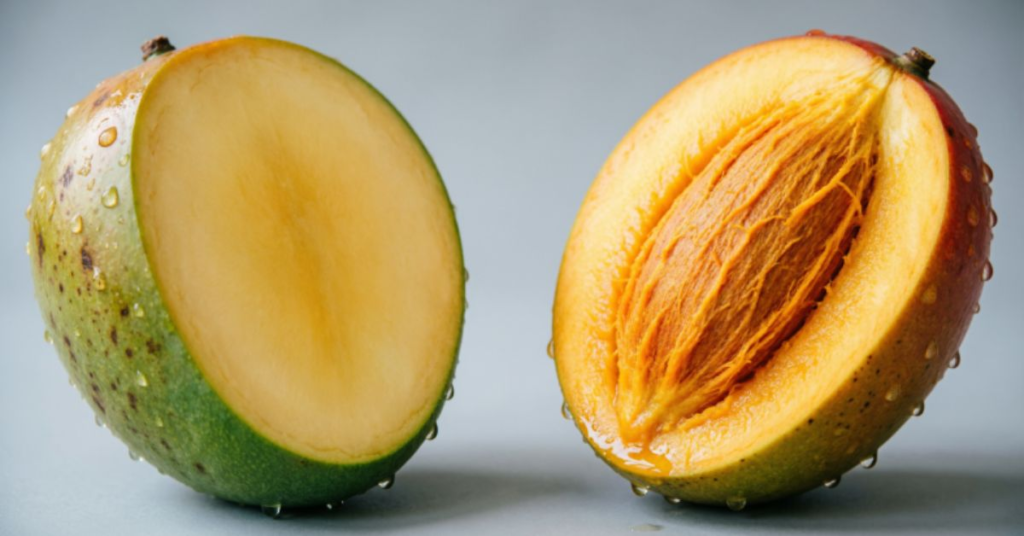
1. Sindhri The King of Sindh
Origin: Mirpurkhas, Sindh. Indus-deposited alluvial soil gives Sindhri its golden-yellow skin and smooth, low Resha Guda. Brix: 18 to 20. Outstanding pulp-to-Guthli ratio and thick skin make it the top choice for shipping and gifting.
2. Chaunsa The Emperor of Multan
Origin: Multan and Rahim Yar Khan, South Punjab. Two elite sub-varieties:
- Samar Bahisht Chaunsa: Brix 24 to 26. Near-zero Resha. Guda is consumed by sucking directly. Stays greenish-yellow at full ripeness do not mistake it for unripe.
- White Chaunsa: Brix 20 to 22. More intense aroma, paler flesh, longer season, more affordable.
Soil secret: Multan’s high-potassium sandy loam concentrates sugars no other Pakistani terroir can match.
3. Anwar Ratol The Fragrance Legend
Origin: Rahim Yar Khan, Punjab. Brix: 22 to 24. Aromatic compounds linalool and myrcene make it the most perfumed mango in the world. Minimal Resha; dense, saffron-colored Guda. Shelf life: 2 to 3 days. Terrible for shipping unbeatable fresh.
4. Langra The Green Secret
Origin: Bahawalpur, Punjab. Langra never turns yellow, ripe skin stays green, causing buyers to reject it as unripe. Costly mistake. Brix: 18 to 20 with a tangy undertone creating complexity beyond pure sweetness. Small Guthli, excellent Guda yield.
5. Fajri The Late-Season Giant
Origin: Bahawalpur and Rahim Yar Khan. Individual fruits exceed 600 grams. Brix: 16 to 18. More Resha than premium varieties, but unmatched Guda volume per fruit. Perfect for export boxes and slicing not for Mithas purists.
Mandi Secrets: What the Seller Won’t Tell You
Tapa vs. Pal The Critical Distinction
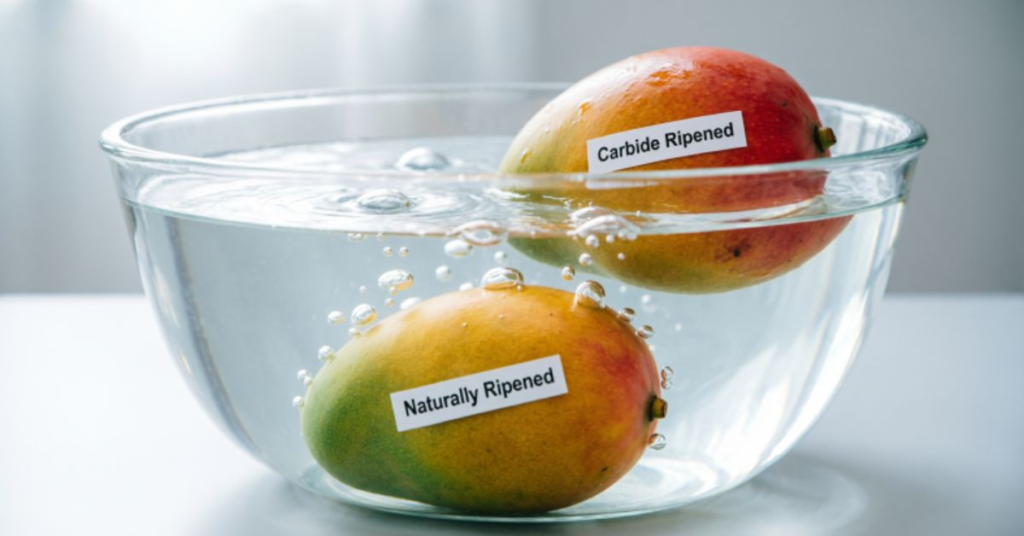
Tapa (tree ripened) mangoes develop peak Brix and full Aroma naturally. Pal (box ripened) mangoes are harvested green and gassed in closed chambers. Ethylene ripening is acceptable; calcium carbide ripening used illegally releases traces of arsenic and phosphorus, making it a health hazard.
Two Techniques for Carbide Detection
- Stem-Sniff Technique: Break the stem cleanly and inhale. A Tapa mango emits a sweet, complex aroma. A carbide-ripened mango smells sharp, chemical, or neutral.
- Sink Test: Submerge mangoes in water. Naturally ripened mangoes sink or stay mid level. Carbide-ripened mangoes float high, a clear red flag.
Community Pain Points & Science-Backed Fixes
Neutralizing Taseer (Body Heat): The Science of Phytic Acid
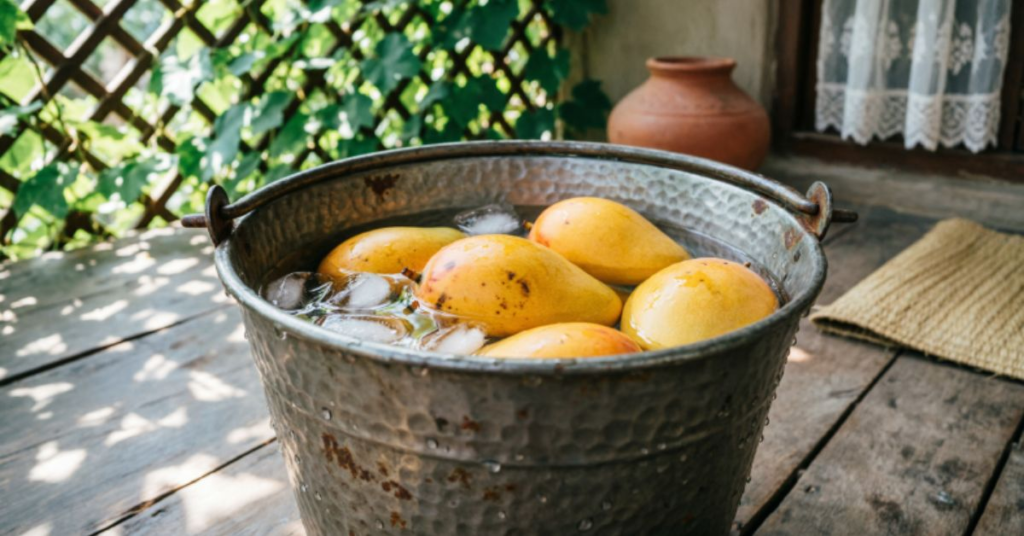
The top community question: “Why do mangoes cause body heat?” The culprit is phytic acid triggering inflammatory digestive responses when mangoes are consumed rapidly. Fix: soak mangoes in cold water for 30 minutes. This leaches phytic acid and lowers fruit temperature. A pinch of rock salt amplifies the effect.
Guthli vs. Pulp: Value-for-Money Rankings
Maximum Guda per rupee: Sindhri → Samar Bahisht Chaunsa → Langra → Anwar Ratol → Fajri. Avoid bruised Sindhri — damage reduces extractable pulp significantly.
Identifying Genuine Export Quality Packaging
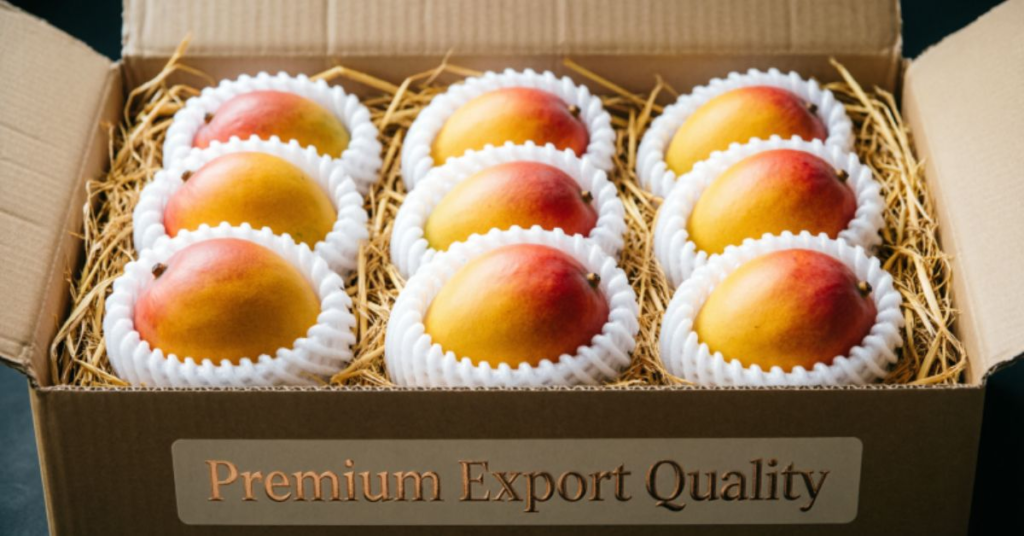
Authentic export packaging: individual foam sleeves, double wall corrugated boxes, dry straw between layers, and a label showing variety, harvest date, orchard, and Brix grade. Without foam sleeves, “export quality” is just marketing.
For the Quality Seeker & the Overseas Gift Giver
Quality Seekers: Visit your Mandi before 7 AM mid-week. Request Tapa stock, apply the Stem-Sniff Technique, and target Samar Bahisht Chaunsa in July. Pre-boxed grocery mangoes are almost always Pal.
Overseas Gift Givers: Choose Sindhri or Fajri. Sindhri handles 3 to 4 day airfreight; Chaunsa needs 2-day maximum with ice packs. Source from Mirpurkhas for Sindhri and Multan or Rahim Yar Khan for Chaunsa.
Conclusion: Champion Pakistan’s Mango Heritage
From the honey-thick Guda of peak Chaunsa in Multan to the electric Aroma of Anwar Ratol from Rahim Yar Khan, Pakistan’s June August harvest is without global parallel. The 2026 season looks exceptional. Behind every great mango are generations of farmers mastering specific soil, microclimates, and tree genetics. Buy from verified orchards, pay fair prices, and sustain a tradition that defines national identity.
Choose Tapa over Pal. Choose Mithas that are earned.
Frequently Asked Questions (FAQs)
1. Which Pakistani mango has the highest sugar content?
Samar Bahisht Chaunsa: 24 to 26 Brix at peak July harvest. Global supermarket mangoes average 14 to 16 Brix.
2. How do I detect carbide-ripened mangoes?
Stem Sniff Technique (chemical smell = carbide) plus Sink Test (floating = suspect). Carbide mangoes show patchy skin and ripen unevenly soft outside, hard near the Guthli.
3. What is the best way to store mangoes at home?
Keep unripe mangoes at room temperature. Once ripe, refrigerate and eat within 2 to 3 days. Never refrigerating unripe mangoes cold destroys ripening enzymes. Anwar Ratol: consume within 48 hours of peak ripeness.
4. What is the difference between Sindhri and Chaunsa?
Sindhri: Brix 18 to 20, thick skin, best for shipping. Chaunsa: Brix 24 to 26, near zero Resha, superior for fresh eating.
5. Does soaking mangoes in water reduce Taseer?
Yes. 20 to 30 minutes of soaking leaches phytic acid and lowers fruit temperature. Pair with cold lassi and limit to 2 to 3 mangoes per sitting.