
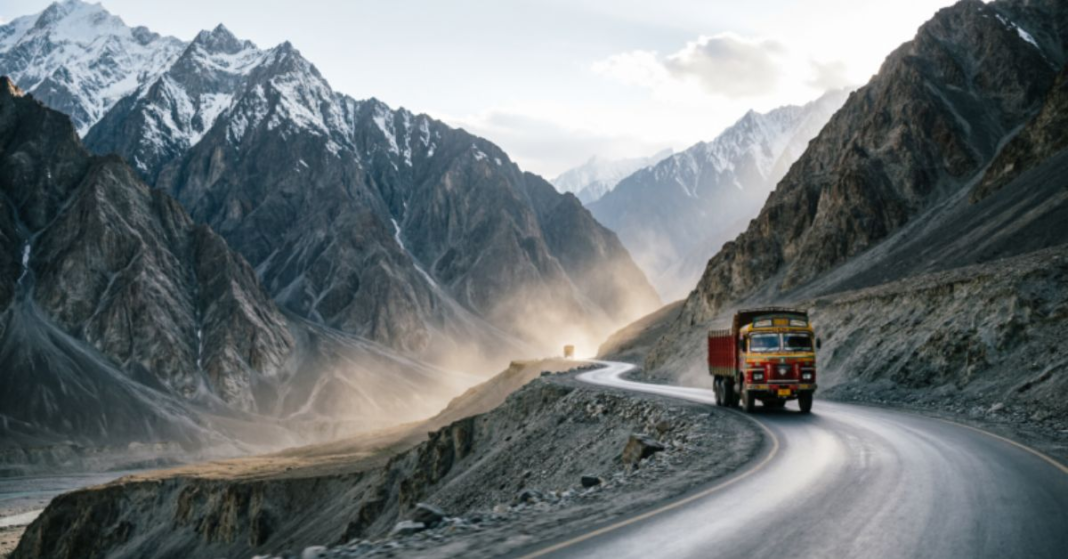

Most travel content about northern Pakistan describes scenery. This guide addresses logistics, specific costs, and ground-level decisions that determine whether your trip runs smoothly or unravels. Specifically, it covers the questions that appear repeatedly on Reddit’s r/PakistanTravel and Quora, not the ones that look good in a listicle.
Quick Answer Box
Best Time to Visit: May to October. Specifically, June August for Skardu and Deosai; May June and September for Hunza to avoid peak crowds.
Safety: Generally safe for domestic and foreign tourists. However, solo female travelers should pre-book accommodations and use registered transport only. Check FCDO and US State Department advisories before travel.
Connectivity: SCOM SIM is non-negotiable. Jazz, Zong, and Telenor have virtually no coverage beyond major cities. Moreover, Deosai Plains and Fairy Meadows have zero signal regardless of carrier.
Logistics & Planning
Islamabad to the North: KKH vs. Air
The Karakoram Highway (KKH) covers approximately 580km from Islamabad to Gilgit, with journey time between 12 to 18 hours depending on road conditions and seasonal landslides.
KKH by Road: NATCO buses from Rawalpindi’s Pir Wadhai terminal cost PKR 1,500 to 2,000 per seat. However, road closures due to landslides are common July through mid-August. Check schedules in person; their online system is outdated.
By Air: PIA and Serene Air operate Islamabad–Gilgit and Islamabad Skardu routes for PKR 8,000 to 22,000 one-way. In addition, flights are frequently cancelled due to mountain cloud cover. Budget at least two buffer days if flying. Specifically, book morning departures afternoon cancellations are disproportionately common.
SCOM SIM: Get One Before You Leave Islamabad

SCOM is the only telecom with meaningful coverage in Gilgit-Baltistan. Consequently, every traveler needs one before crossing into the region. Buy at Islamabad Airport arrivals hall, Rawalpindi’s Saddar market, or the SCOM office on Jutial Road in Gilgit. Passport required for foreigners; CNIC for Pakistanis. Data packages from PKR 500 for 5GB.
Cash Management: ATMs Are Sparse
This is the most underreported issue in northern Pakistan travel. Specifically, reliable ATMs exist only in Gilgit city and Skardu city. Beyond these hubs, the infrastructure disappears.
- Karimabad (Hunza) ATMs frequently run dry in peak season
- Astore Valley has no ATMs at all
- Deosai, Fairy Meadows, and all trekking trailheads are cash-only
Consequently, withdraw PKR 40,000 to 60,000 in Gilgit or Skardu before heading into any remote valley.
Network Coverage by Region
| Region | SCOM | Jazz / Zong |
| Gilgit City | Yes (4G) | Yes (4G) |
| Hunza (Karimabad) | Yes (3G/4G) | No Signal |
| Skardu City | Yes (3G) | Partial |
| Astore Valley | Patchy (2G) | No Signal |
| Deosai Plains | No Signal | No Signal |
| Fairy Meadows | No Signal | No Signal |
Download offline maps (Maps.me or OsmAnd) before leaving Gilgit or Skardu.
Suggested 7-Day Itinerary
| Day | Route | Key Activity | Stay |
| Day 1 | Islamabad → Gilgit | Fly in, buy SCOM SIM, withdraw cash | Gilgit |
| Day 2 | Gilgit → Hunza | Drive KKH 2hrs, settle in Karimabad | Karimabad |
| Day 3 | Hunza | Baltit Fort, Eagle’s Nest, Duikar hike | Karimabad |
| Day 4 | Upper Hunza | Borith Lake, Passu Cones, Attabad | Gulmit |
| Day 5 | Hunza → Skardu | Drive or fly via Gilgit | Skardu |
| Day 6 | Deosai Plains | Full-day jeep excursion | Skardu |
| Day 7 | Skardu | Upper Kachura Lake, Shigar Fort | Skardu |
10-day extension: Add Astore Valley on Days 8–10 via Gilgit before returning to Islamabad. Specifically, route Skardu → Gilgit → Astore Town → Rama Meadow → Gilgit → Islamabad. This adds Nanga Parbat’s Rupal Face and Rama Lake without backtracking through Hunza.
Regional Breakdown
Hunza Valley

Hunza is the most visited region in Gilgit-Baltistan. However, Karimabad and Upper Hunza (Gulmit/Passu) offer noticeably different experiences based on crowd tolerance and available time.
Where to Stay:
- Budget: Old Hunza Inn (PKR 1,800–2,500) rooftop Rakaposhi views, reliable hot water
- Mid-Range: Hunza Darbar Hotel (PKR 6,000–10,000) strong WiFi, mountain-view terrace; book 3 to 4 weeks ahead in peak season
- Luxury: Serena Hunza (PKR 20,000–40,000+) best-in-class service; 6–8 weeks advance booking required for July–August
Where to Eat:
- Café de Hunza, Karimabad espresso, apricot crepes, and power outlets on the upper terrace. This is pakbestfinds.com’s top pick for digital nomads functional for morning remote work before tourist crowds arrive.
- Hunza Food Street, Karimabad Bazaar chapshuro and harissa for PKR 300 to 500. The honest local option.
- Hidden Find Borith Lake, Gulmit: Located 3km from Gulmit village, Borith Lake sits at 2,700m with Passu and Tupopdan peaks behind it. Specifically, it is a 45-minute walk from the KKH, no jeep, no entry fee, and consistently less crowded than Attabad. Moreover, most visitors to Upper Hunza skip it entirely in favour of Attabad’s boat rides. This is the better view.
Duikar Trek: A 2-hour uphill walk from Karimabad gaining 400m elevation to Duikar village. The view looks directly down the Hunza River valley with Rakaposhi dominating the southern skyline. It is completely free, requires no guide, and is significantly less crowded than the Eagle’s Nest viewpoint. For instance, arriving at Duikar at 6am for sunrise means having the entire ridge to yourself before the day-trippers arrive from Karimabad.
Shimshal Valley: For serious trekkers, Shimshal (60km side road from Passu) offers multi-day routes to Shimshal Pass and Shpodeen Lake. Consequently, it requires 2 to 3 extra days, a registered guide, and a trekking permit from the GB Tourism Department in Gilgit. However, the valley receives a fraction of Hunza’s visitor volume and the landscape transitions from terraced green slopes to high-altitude Central Asian plateau, a noticeably different character from the lower valley.
Skardu

Skardu functions primarily as a staging point for K2 region trekking and Deosai excursions. Specifically, it is the last city with reliable banking and supply infrastructure before high-altitude routes.
Where to Stay:
- Budget: K2 Motel (PKR 2,000 to 3,500) popular with trekking groups; staff arrange jeep drivers at fair rates
- Mid-Range: Concordia Motel (PKR 6,000 to 12,000) reliable for permit assistance and jeep logistics
- Luxury: Serena Skardu (PKR 22,000 to 45,000+) strongest WiFi in the city; best base for digital nomads
Where to Eat:
- Baltistan Cuisine Restaurant, Skardu Bazaar order skyu (thick noodle soup) and chugo (dried yak cheese). PKR 400 to 700 per meal.
- Lassi shops, Airport Road pakbestfinds.com recommends the unnamed shop two doors from the UBL ATM. Thick buffalo lassi at PKR 80–120. Open 7am–10pm.
Deosai National Park Practical Details:
- Entry fee: PKR 400/person
- Jeep rental: PKR 6,000 to 9,000/day full vehicle; share with other travelers (arrange via guesthouse) to bring it down to PKR 1,500 to 2,000/person
- Open June to October only
Hidden Find Kala Pani Lake: A 30-minute jeep detour inside Deosai that most itineraries skip. Specifically, it is smaller and quieter than Sheosar Lake and sees a fraction of the visitor volume. Worth the extra fuel cost.
Astore Valley

Astore is what most northern Pakistan guides treat as a footnote. Consequently, it receives a fraction of Hunza’s visitors which is precisely why it belongs on this list.
The valley is 110km southwest of Gilgit (3–4 hours by road) and sits below the Rupal Face of Nanga Parbat, the largest mountain face on Earth by vertical elevation gain at 4,600m. The viewpoint near Tarshing village is a 2 to 3 hour walk from the road and requires no technical skill.
Where to Stay:
- Al-Noor Guesthouse, Astore Town PKR 1,500 to 2,500/night. Owner Ghulam Ali knows every trail in the valley and arranges guides at fair rates.
- PTDC Motel Rama PKR 4,000–7,000/night. Only managed accommodation near Rama Meadow. Advance booking mandatory June to August.
Where to Eat: Astore has no restaurant scene. The dhaba at the main chowk serves daal and chapati for PKR 200 to 350. Bring supplementary supplies from Gilgit nothing is available above Astore town.
Rama Lake Trek: From Rama Meadow, a 3 to 4 hour hike gains 600m elevation to Rama Lake at approximately 3,500m. This is achievable as a day hike for fit travelers and as a two-day trip with camping for those who want to stay above the treeline. No permit is required. However, trail markings become inconsistent after the first hour. Hiring a local guide (PKR 1,500 to 2,000/day) from Al-Noor Guesthouse is strongly recommended.
Hidden Find Churit Lake: Above Doian village, a 4-hour hike gains 1,000m through pine forest to a high-altitude lake with Nanga Parbat’s Raikot Face to the north. This appears on virtually no mainstream travel itinerary. Hire a local guide from Astore town for PKR 1,500–2,000/day.
Connectivity note: SCOM is patchy in Astore town and absent above it. Plan 3 to 4 days fully offline.
Cost Breakdown
| Category | Budget | Mid-Range | Luxury | |
| Accommodation/night | PKR 1,500 to 3,000 | PKR 5,000 to 12,000 | PKR 18,000–40,000+ | |
| Meals/day | PKR 600 to 1,200 | PKR 1,500 to 3,000 | PKR 3,500–6,000 | |
| Jeep/day (shared) | PKR 1,500 to 2,000/seat | PKR 6,000 to 9,000 | PKR 10,000–15,000 | |
| SCOM SIM + 10GB | PKR 1,200 (one-time) | PKR 1,200 (one-time) | PKR 1,200 (one-time) | |
| Trekking permit | PKR 500–2,000 | PKR 500–2,000 | PKR 500–2,000 |
Daily total estimate: Budget PKR 4,000 to 7,000 | Mid-range PKR 12,000–20,000 | Luxury PKR 30,000+
Solo Female Travel

Hunza is the most comfortable region for solo female travelers. Specifically, the Ismaili-majority community is noticeably more open, harassment incidents are rare, and guesthouses are accustomed to international visitors of all genders. Skardu and Astore require more planning pre-book rooms and confirm bathroom facilities in advance, as many guesthouses are primarily set up for male trekking groups.
- Use licensed transport only: NATCO, Daewoo, or guesthouse-arranged drivers. Avoid roadside arrangements.
- Conservative dress (shalwar kameez or equivalent) is strongly recommended outside Karimabad regardless of nationality.
- Pre-book all accommodations in Astore and Skardu. Arriving without a reservation and looking for rooms in peak season adds avoidable risk.
- ‘Girls on Backpacks Pakistan’ Facebook group is the most current ground-level resource for safety updates more reliable than any published guide.
Conclusion
The difference between a smooth northern Pakistan trip and a frustrating one usually comes down to three things: a SCOM SIM bought before leaving Islamabad, enough cash withdrawn in Gilgit or Skardu, and an itinerary flexible enough to absorb a cancelled flight or a washed-out road section.
Moreover, the best experiences are Borith Lake over Attabad, Kala Pani over a standard Deosai loop, Churit Lake in Astore consistently require slightly more effort than the default route. Consequently, invest in the planning. The north delivers in direct proportion to how well you have prepared for the gaps that no tour operator will mention.
In addition, consider the timing of your visit carefully. Specifically, the shoulder months of May to June and September offer the most favorable combination of accessibility, manageable crowds, and stable road conditions. July and August bring peak domestic tourism alongside the highest landslide risk on the KKH, a trade-off worth factoring into your planning.
Specifically, the Hunza, Skardu, and Astore category pages are updated after each season with ground-verified information. Bookmark the site and check these pages before finalizing your route.
FAQs
1. Do I need a SCOM SIM or can I use Jazz/Zong?
SCOM is the only carrier with consistent GB coverage. Jazz and Zong work in Gilgit city and lose signal almost immediately outside it. Consequently, SCOM is not optional, it is infrastructure.
2. What does a jeep hire in Skardu actually cost?
PKR 6,000 to 9,000/day for the full vehicle. Rates spike 20 to 30% in July August. Negotiate a two-day rate if combining Deosai and Upper Kachura it typically saves 15 to 20%. Always confirm fuel is included.
3. Is northern Pakistan safe for foreign tourists in 2026?
Gilgit-Baltistan is open and generally safe for both domestic and foreign tourists. However, conditions in FATA and adjacent KP districts are categorically different from GB. Moreover, the security environment can shift check FCDO or US State Department advisories specific to your nationality before travel, and re-check within 48 hours of departure.
4. How early should I book accommodation in Hunza peak season?
4–6 weeks for Karimabad mid-range properties. Eagle’s Nest Hotel needs 6 to 8 weeks minimum. Astore is easier 1 to 2 weeks is usually sufficient outside Eid holidays.
5. Can digital nomads work from Hunza or Skardu?
Yes, with specific expectations. Hunza is the most viable base: Café de Hunza WiFi plus SCOM 3G/4G handles email, video calls, and moderate file uploads. Skardu works within the city at Serena or Concordia Motel. However, both locations have upload speed inconsistencies that make large file transfers unreliable. Plan offline work windows for all travel days between valleys specifically any time spent in Astore, on Deosai, or on the KKH between Gilgit and Skardu.