
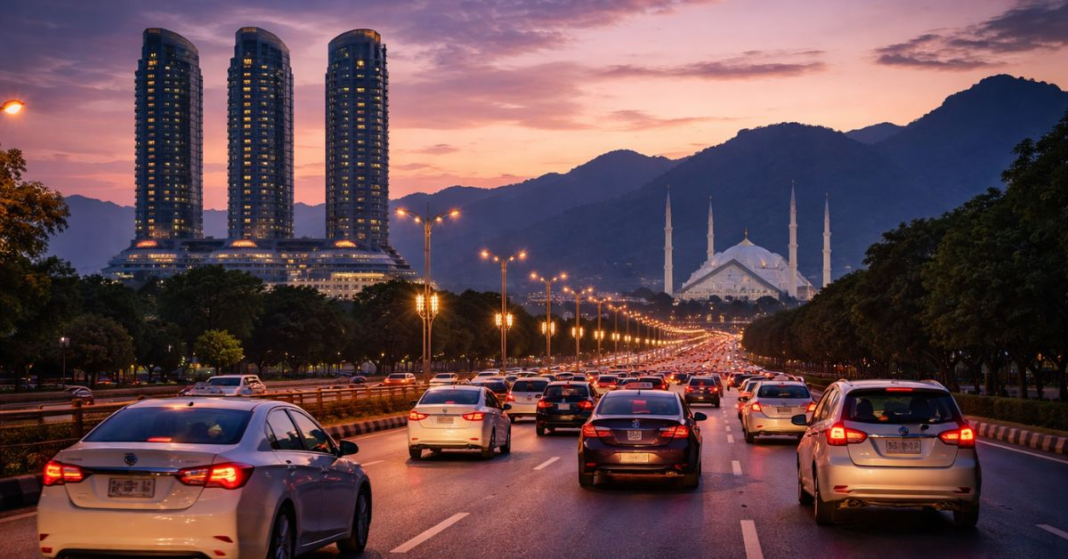

Pakistan’s economic tightrope act continues into 2026. Headline inflation sits at 5.8% year on year as of January 2026 a number that sounds manageable until you open your bill. Analysts warn that April 2026 could push inflation back toward double digits, driven by a sharp rise in global oil prices that has already translated into a ~25% domestic fuel price jump in March. The PKR remains fragile, IMF conditionalities are baked into every tariff hike, and middle-class urban households are being squeezed from every direction simultaneously.
This is not a government press release. This is what it actually costs to live here in 2026.
Quick Answer: Monthly Budget Pakistan 2026

| Category | Family of 4 (3-bed, urban) | Bachelor (1-bed, urban) |
| Rent | Rs. 70,000–1,50,000 | Rs. 25,000 to 45,000 |
| Electricity | Rs. 15,000–35,000 | Rs. 5,000 to 10,000 |
| Gas / Fuel | Rs. 4,000–8,000 | Rs. 2,000 to 3,500 |
| Groceries | Rs. 35,000–55,000 | Rs. 12,000 to 18,000 |
| Transport | Rs. 12,000–20,000 | Rs. 5,000 to 10,000 |
| Hidden Costs* | Rs. 15,000–30,000 | Rs. 5,000 to 10,000 |
| TOTAL (Est.) | Rs. 1,51,000–2,98,000 | Rs. 54,000 to 96,500 |
*Hidden costs: Society dues, water tankers, generator charges, medical out-of-pocket, internet/VPN.
Housing & Real Estate
Rent Reality by City (2026 Market Rates)

Islamabad / Rawalpindi
- F-sector (F-7, F-8): 1-kanal house Rs. 3 to 5 lakh/month. Not a typo.
- DHA Phase 2 Islamabad: 10 Marla house Rs. 50,000 to Rs. 1.7 lakh/month
- DHA Phase 2 Islamabad, 1-kanal: Rs. 2.5 lakh/month
- Bahria Town (Islamabad/Rwp): 1-kanal house Rs. 1.5 to 4.2 lakh/month
Lahore
- Bahria Town Lahore, 10 Marla: Rs. 1.2–1.35 lakh/month DHA Lahore Phase 6, 5 Marla: Rs. 75,000 to 90,000/month
- Johar Town, 5 Marla: Rs. 45,000 too 65,000/month (better value for remote workers)
Karachi
- Bahria Town Karachi, houses ranging from Rs. 30,000 to Rs. 90,000/month significantly cheaper than Lahore’s equivalent
- DHA Karachi Phase 6, 1,000 sq. yd. luxury: Rs. 7.5 lakh/month (premium tier)
- North Nazimabad/Gulshan: 3-bed flat Rs. 40,000 to 65,000/month
The Society Maintenance Fee Nobody Mentions
Living in DHA or Bahria is not just about rent. Factor in:
| Society | Typical Monthly Maintenance |
| DHA Lahore/Islamabad | Rs. 5,000 to 12,000 |
| Bahria Town (all cities) | Rs. 3,000 to 8,000 |
| Clifton/Defence Karachi | Rs. 6,000 to 15,000 |
| Gated apartments (Islamabad) | Rs. 5,000 to 20,000 |
These fees cover security guards, gardening, street lighting, and waste removal. Miss two payments and your gate tag gets blocked. Many overseas returnees budget for rent but forget this line item entirely.
The Utility Crisis: Electricity, Gas & the Forced Solar Shift
Electricity Rates Pakistan 2026
NEPRA finalized a national base tariff of approximately Rs. 33.38 per kilowatt-hour for residential consumers but that’s only the starting point.
NEPRA’s 2026 tariff rates range from Rs. 4.78 to Rs. 62.47 per unit, depending on consumer category. The brutal reality of the slab system:
The trap: If you exceed 200 units even once, you’re classified as an “unprotected” consumer for the next 6 months even if your subsequent usage drops. One AC running through a heat wave in June can double your bill for half the year.
Real bill example: A household using 400 units with taxes and fuel adjustments can expect a bill of approximately Rs. 17,800/month
A typical household using 300 to 500 units could see an additional increase of Rs. 800–2,500/month if tariffs rise further from July 2026 as NEPRA’s final ruling is expected to apply from that date.
A fuel cost adjustment of Rs. 1.63/unit has already been extended to previously protected consumers making even the “protected” category less safe than it sounds.
Gas: The Seasonal Blackout
Winter gas pressure in Islamabad and Lahore drops to near-zero from December to February. Households pay Rs. 2,000 to 5,000/month in gas bills but rely on cylinders (Rs. 3,500–4,500 each) and electric geysers during winter adding Rs. 6,000 to 10,000 to cold-season bills that most budgets don’t account for.
Solar: The Forced Investment

Solar is no longer aspirational it’s defensive spending. System costs in 2026:
| System Size | Estimated Cost (Hybrid) | Best For |
| 3 kW | Rs. 4.24 lakh (without batteries) | Bachelor, small flat |
| 6 kW | Rs. 8.69 lakh | Family of 4, 3-bed |
| 10 kW | Rs. 12.02 lakh | Large family, home office |
ROI: A solar system typically pays for itself within 3 to 5 years, with net metering allowing excess electricity to be sold back to the grid. Hidden solar costs nobody budgets for:
- Panel cleaning every 1 to 2 months in dusty cities: Rs. 1,500 to 3,000 per clean (professional service)
- Inverter battery replacement (lithium-ion, every 8–12 years): Rs. 3 to 6 lakh
- Annual inspection/maintenance: Rs. 5,000 to 15,000
- Elevated mounting structure if roof isn’t flat: Rs. 7,000 per additional panel
The “I installed solar, I’m sorted” mindset misses Rs. 30,000 to 50,000/year in ongoing maintenance once the system ages past 5 years.
Food & Groceries
The Bachat Bazaar vs. Metro/Imtiaz Gap (2026)

| Item | Bachat Bazaar / Local Market | Imtiaz / Metro Superstore |
| Chicken (1 kg) | Rs. 450–520 | Rs. 580–650 |
| Atta (10 kg bag) | Rs. 1,200–1,400 | Rs. 1,500–1,800 |
| Milk (1L, loose) | Rs. 160–190 | Rs. 220–260 (packaged) |
| Tomatoes (1 kg) | Rs. 80–150 (seasonal) | Rs. 180–250 |
| Cooking oil (5L) | Rs. 2,200–2,600 | Rs. 2,700–3,200 |
| Weekly basket (family of 4) | Rs. 8,000–10,000 | Rs. 13,000–18,000 |
Practical tip: Split your shopping. Bachat bazaar every Saturday for vegetables, dal, and atta. Superstore once a month for packaged goods and hygiene products. A family of 4 can realistically cut monthly grocery costs from Rs. 50,000 to Rs. 35,000 this way.
Restaurant GST trap: Restaurant and hotel inflation stands at 5.3% officially but bills are routinely inflated through the 16 to 18% GST applied on the full bill including service charges, which is often charged twice on dine-in orders. Always check itemized bills at mid-range and high-end restaurants.
Transport
Fuel vs. Hybrid vs. Ride-Hailing (2026)

| Mode | Monthly Cost (Daily Commute, 30 km/day) |
| Petrol car (1,000cc, local) | Rs. 12,000 to 18,000 (fuel only) |
| Hybrid (Toyota Aqua / Yaris) | Rs. 6,000 to 9,000 (fuel only) |
| Motorcycle | Rs. 3,000 to 5,000 |
| Careem/inDrive (shared or standard) | Rs. 15,000 to 25,000 |
| Metro Bus + Feeder (Lahore) | Rs. 1,800 to 3,000 |
Buying a 2nd-hand hybrid is currently the best ROI for urban middle-class families doing regular intercity or long daily commutes. The premium over a petrol car pays back within 18–24 months at current fuel prices.
EV reality: Charging infrastructure remains patchy outside DHA and major Islamabad sectors. Battery replacement costs for imported EVs (Rs. 8–15 lakh) make the total cost of ownership higher than hybrids for most households.
Hidden “Pakistani” Costs What Every Article Misses
1. Water Tankers (Karachi-Specific)
KWSB supply is unreliable in most of Karachi outside gated societies. A private water tanker (1,000 gallons) costs Rs. 2,500–4,500 per delivery. An average middle-class Karachi household needs 2–3 deliveries per month: Rs. 5,000 to 13,500/month in water costs alone, on top of utility bills.
2. The Generator Tax
Most non-gated buildings and older areas of Lahore, Karachi, and Islamabad still face 4–10 hours of loadshedding daily (outside Bahria/DHA). Building-level generators are standard, but residents pay:
- Generator fuel sharing: Rs. 2,000 to 5,000/month
- Inverter/UPS battery replacement (every 2–3 years): Rs. 25,000–60,000
- This is the silent cost that explodes annually without warning.
3. Medical: The Out-of-Pocket Reality
Health inflation ran at 7.7 to 8.3% in late 2025 . Private health insurance for a family of 4 costs Rs. 80,000–1,50,000/year and most middle-class families skip it. One hospitalization can cost Rs. 3–10 lakh. Budgeting Rs. 5,000–10,000/month into a dedicated medical fund is not optional; it’s essential.
4. Freelancer Internet & VPN Costs

Pakistan’s internet quality is inconsistent, and many platforms (payment processors, remote work tools) require VPN access or face throttling. Monthly costs:
- Fiber (PTCL/StormFiber, 50 Mbps): Rs. 3,500 to 6,000
- LTE backup SIM (Jazz/Zong): Rs. 2,000 to 3,500
- VPN subscription (NordVPN/Surfshark): Rs. 1,200 to 2,000/month
- Total freelancer internet stack: Rs. 6,700 to 11,500/month
That’s a line item most “cost of living” guides omit entirely.
5. School Fees (The Middle-Class Squeeze)
Private school fees in Islamabad, Lahore, and Karachi for mid-tier schools (Beaconhouse, Roots, City School):
- Rs. 15,000 to 35,000/month per child
- Annual admission/development charges: Rs. 30,000 to 80,000
- A family with two school-age children can spend Rs. 40,000 to 80,000/month on school alone.
City Comparison: Quality of Life vs. Monthly Expense 2026
| Factor | Islamabad | Lahore | Karachi |
| Avg. Rent (3-bed, decent area) | Rs. 80,000–1,50,000 | Rs. 65,000–1,20,000 | Rs. 55,000–1,00,000 |
| Loadshedding (non-society areas) | 4–8 hrs/day | 6–10 hrs/day | 4–8 hrs/day |
| Air Quality | Moderate–Poor (winters) | Very Poor (Oct–Feb) | Moderate |
| Water Supply Reliability | Moderate | Moderate | Poor |
| Traffic & Commute | Moderate | Severe | Severe |
| Freelancer Infrastructure | Good (StormFiber, coworking) | Good | Moderate |
| Eating Out (monthly, family) | Rs. 15,000–30,000 | Rs. 12,000–25,000 | Rs. 14,000–28,000 |
| Security | High (in sectors/societies) | Medium–High | Lower (area-dependent) |
| Overall Monthly Budget (Family of 4) | Rs. 2,00,000–3,50,000 | Rs. 1,80,000–3,00,000 | Rs. 1,70,000–2,80,000 |
| Best For | Repatriates, diplomats | Cultural lifestyle, families | Business,港 cost efficiency |
Verdict: Karachi is cheapest for a comparable lifestyle but demands the highest hidden cost premium (water, security, generator reliance). Islamabad has the best livability score but commands a 20–30% rent premium over Lahore and Karachi for equivalent housing.
Niche Intent: Freelancers & Repatriates
For Freelancers: Home Office vs. Co-Working
| Setup | Monthly Cost | Best For |
| Home office (fiber + UPS + desk) | Rs. 8,000 to 14,000 | Established freelancers |
| Coworking hot desk (Daftarkhwan, Regus, The Hive) | Rs. 15,000 to 30,000 | New entrants, client meetings |
| Coworking dedicated desk | Rs. 25,000 to 45,000 | Teams, stability seekers |
Co-working makes financial sense only if loadshedding at home is making you miss client calls. Otherwise, invest that Rs. 25,000/month into a quality hybrid inverter system it pays back in 12–18 months.
Tax reality for freelancers: FBR’s freelancer tax compliance regime requires active maintenance. Filers pay lower withholding on bank transfers; non-filers face 2 to 4x higher deductions. Chartered accountant fees: Rs. 15,000 to 40,000/year. Non-negotiable if you’re earning in USD/GBP.
For Repatriates: First-Year Setup Costs
Coming back from the UK, UAE, or US? Budget for these one-time costs:
| Item | Estimated Cost |
| Vehicle (used, reliable) | Rs. 25–50 lakh |
| Solar system installation | Rs. 8–12 lakh |
| Furniture/appliances (unfurnished flat) | Rs. 8–15 lakh |
| School admissions (2 children) | Rs. 1–2 lakh |
| Security deposit (3-month advance rent) | Rs. 2–5 lakh |
| First-year setup total | Rs. 44–84 lakh |
This excludes property purchase. Most repatriates underestimate setup costs by 40 to 60% because they plan around rental price only.
Financial Survival Strategy for 2026
The households surviving not just enduring Pakistan’s cost environment in 2026 share five habits:
- Go solar before anything else. Electricity is Pakistan’s fastest-growing household expense. A 6 kW hybrid system eliminates Rs. 20,000 to 35,000/month in grid bills within 3–5 years. It’s infrastructure, not a luxury.
- Maintain formal tax filer status. The income tax system punishes non-compliance through compounding withholding taxes. Active filer status saves Rs. 50,000–1,50,000/year for a dual-income household.
- Build a Rs. 3–5 lakh medical reserve. Health inflation exceeded 8% in late 2025 One hospitalization without savings creates a debt spiral. If you can’t afford insurance, self-insure.
- Live one city tier below your income class. If you earn well enough for DHA, live in a well-managed scheme one tier down. The lifestyle gap is marginal; the savings are Rs. 40,000–80,000/month.
- Renegotiate rent annually. Pakistan’s rental market has no standard escalation clause. Long-term tenants with solid references can cap annual increases at 10–15%, versus the 20–25% landlords attempt on new tenants.
FAQs
Q1: Is Rs. 2 lakh per month enough for a family of 4 in 2026?
Barely, in Lahore or Karachi and not comfortably in Islamabad. Rs. 2 lakh covers rent (modest area), utilities, groceries, and basic schooling for one child. It leaves almost nothing for medical emergencies, savings, or recreation. Rs. 2.5 to 3 lakh is the realistic comfort floor for a family of 4 in any major city.
Q2: Which city is cheapest for remote workers in 2026?
Lahore offers the best value-to-infrastructure ratio for freelancers. Rental costs are 15 to 20% lower than Islamabad, coworking infrastructure is developed (especially in DHA/Gulberg), and the StormFiber/NayaTel fiber network is reliable. Karachi is cheaper but internet reliability and security overhead add hidden costs.
Q3: How much does it cost to set up solar for a 3-bedroom house?
A hybrid 6 kW system with lithium batteries: Rs. 8 to 12 lakh installed. Without batteries (on-grid only): approximately Rs. 8.69 lakh ROI typically occurs within 3 to 5 years, after which savings are pure margin.
Q4: What are the hidden costs of living in DHA or Bahria Town?
Beyond rent: society maintenance fees (Rs. 3,000 to 15,000/month), security guard tipping culture (Rs. 1,000–3,000/month), generator charges in older phases, parking fees in commercial areas, and annual property tax. Budget an extra Rs. 15,000–25,000/month above your rent for society-specific overhead.
Q5: Can a freelancer earning $1,500/month (approx. Rs. 4.2 lakh at current rates) live comfortably in Pakistan?
Yes comfortably, not lavishly. At Rs. 4.2 lakh gross, after a 15% tax/banking withholding buffer, you net approximately Rs. 3.5 lakh. That covers a good apartment in Lahore or Islamabad (Rs. 80,000–1,00,000), utilities including solar maintenance (Rs. 20,000), groceries (Rs. 35,000), transport (Rs. 15,000), schooling for one child (Rs. 25,000), and leaves Rs. 1 to 1.5 lakh for savings, medical reserves, and lifestyle. Scaling to $2,000+/month puts you in genuine financial comfort provided you manage the hidden cost layer described above.