
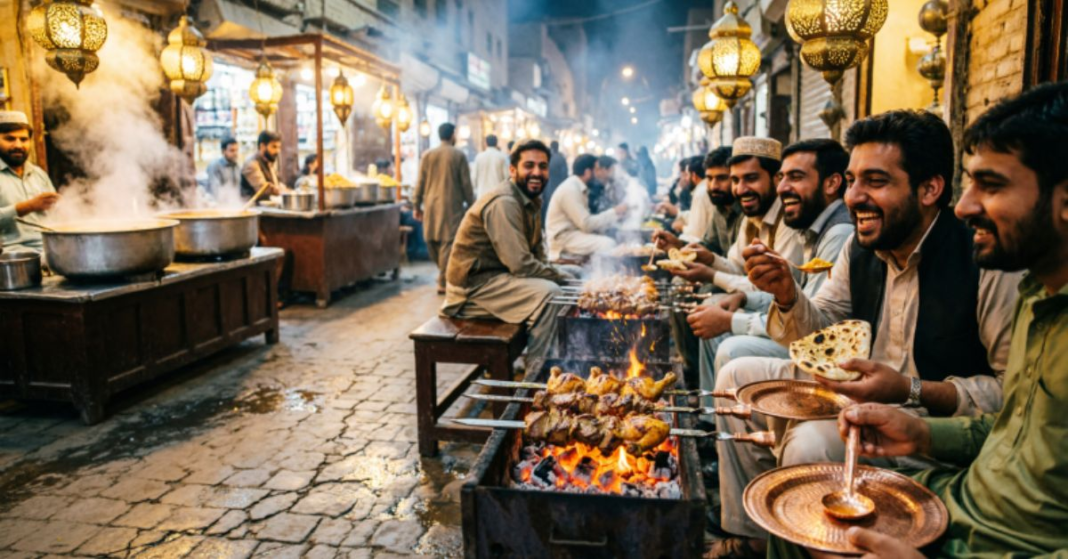

Pakistan’s streets are its truest kitchen. From the coal fired Dhuaan of a late night Karachi BBQ stall to the saffron-laced Sohan Halwa of Multan’s bazaars, this country feeds its soul on the roadside. No copy-paste food lists here what you get is city-by-city intelligence: hygiene scores, 2026 price benchmarks, insider timing, and honest verdicts on what’s overrated vs. genuinely unmissable. the overseas Pakistanis and local foodies alike, this is the only street food guide you need.
Quick Answer Box: Which Is the Best Street Food City in Pakistan?
Lahore is Pakistan’s undisputed street food capital, offering the widest variety, deepest culinary heritage, and most accessible hygiene standards. Karachi ranks second for sheer scale and coastal flavors. Peshawar dominates in meat-forward, high-protein experiences. This a single-city visit prioritizing authentic chaska, Lahore’s Food Street and its surrounding mohallas remain unmatched in 2026.
Street Food in Karachi: The City That Never Stops Eating

Karachi is the financial capital, but its real currency is food available 24/7, at every price point, in every neighborhood. With a population exceeding 16 million, its street food ecosystem is one of the largest in South Asia.
Signature Dishes You Cannot Miss
The city’s stars are Bun Kebab (spiced beef patty with chutney, egg, and aloo tikki on a soft bun), Bihari Kebab Rolls from Burns Road, Nihari from Alamgir, and Dahi Puri from Clifton area stalls. Karachi also owns the best Paya culture outside Lahore slow cooked trotters at pre dawn with naan from a clay oven.
The Insider Secret
The REAL Bun Kebab experience is not at Instagram-famous spots, it is at unmarked stalls on Tariq Road between 11 PM and 2 AM. These wallahs have run the same recipes for 30+ years, serving nightshift workers and returning expats. Ask for “double patty, extra chutney” (do haath lagaao) and you will get a size that appears on no menu.
Real vs. Overrated Verdict
OVERRATED: Burns Road Nihari spots have become tourist-priced and inconsistent.
REAL: Original Karachi Haleem vendors near Empress Market on Sunday mornings dhuaan-smoked, authentic, and a third of the price.
2026 Price Index Karachi
| Dish | Avg Price (PKR) | Vendor Type | Payment |
| Bun Kebab | 120 to 180 | Street Stall | Cash / EasyPaisa |
| Bihari Kebab Roll | 350 to 500 | Roll Stall | Cash / JazzCash |
| Paya (per portion) | 400 to 600 | Dhaba | Cash |
| Nihari (per plate) | 500 to 800 | Burns Road | Cash / Card |
| Dahi Puri (6 pcs) | 150 to 250 | Clifton Stall | Cash / EasyPaisa |
| Shawarma | 250 to 400 | Zainab Market | Cash / JazzCash |
Hygiene Score Card Karachi
| Parameter | Score (1–10) | Notes |
| Water Quality | 5/10 | Always opt for bottled water |
| Food Handling | 6/10 | Varies heavily by zone |
| Waste Management | 4/10 | Street-level inconsistent |
| Vendor Certification | 3/10 | Mostly unregulated |
| Overall Hygiene Rating | 5/10 | Moderate stick to cooked items |
Best Time: Burns Road peaks 8 PM midnight. For Paya, arrive by 5 AM. Digital Payments: 60% of established stalls accept EasyPaisa QR in 2026.
Street Food in Lahore: The Undisputed Capital of Pakistani Cuisine
Lahore has fed empires Mughal courts, Sikh rulers, and British administrators all ate from this city’s kitchens. No other Pakistani city matches its density of culinary tradition per square kilometer.
Signature Dishes You Cannot Miss
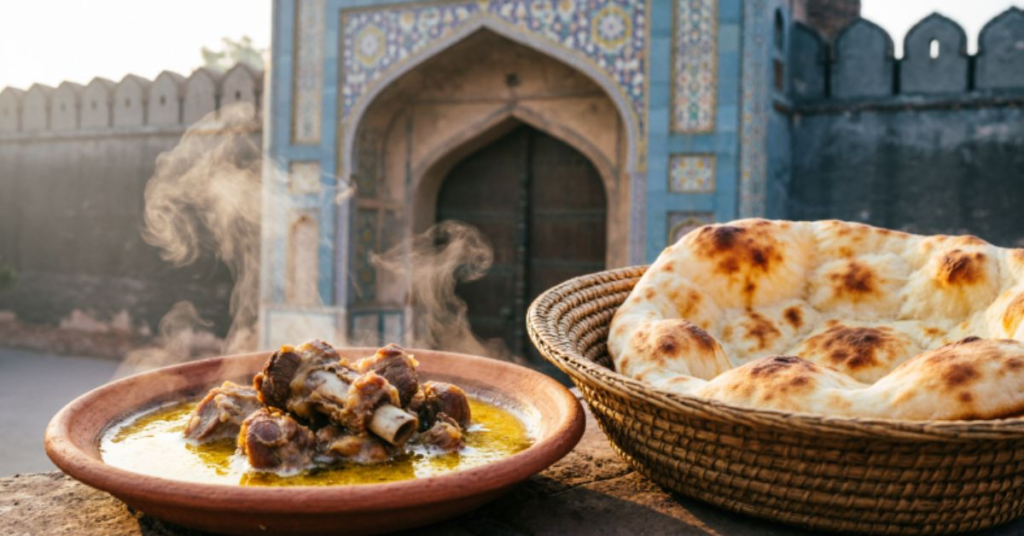
Lahore’s essentials: Hareesa (slow-cooked wheat and chicken paste), Siri Paye (head and feet curry served at dawn), Channay from Tollinton Market, Lahori Chargha (whole deep-fried spiced chicken), and Phajja’s Siri Paye operating since 1947. Jalebi with Rabri from old city morning stalls is a non-negotiable Lahori ritual.
The Insider Secret
Tourists go to Gawalmandi. Locals go to Bano Bazaar near Bhati Gate after Fajr prayer where real Hareesa wallahs set up with wood-fire pots that have been simmering since midnight. Arrive between 5:30 AM and 7:30 AM. Always order Paye with extra nalli (bone marrow) it’s free if you ask.
Real vs. Overrated Verdict
OVERRATED: Fort Road Food Street has great ambiance but quality has declined since 2022 it’s more photo-opportunity than restaurant now.
REAL: The pocket galis behind Walled City, particularly around Lohari Gate, offer the same Mughal-era flavors at half the price.
2026 Price Index Lahore
| Dish | Avg Price (PKR) | Vendor Type | Payment |
| Siri Paye (per plate) | 450 to 700 | Old City Dhaba | Cash |
| Lahori Chargha (whole) | 1,200 to 1,800 | Gawalmandi | Cash / JazzCash |
| Hareesa (per portion) | 350 to 500 | Bano Bazaar | Cash |
| Jalebi + Rabri (250g) | 300 to 450 | Mall Road | Cash / EasyPaisa |
| Channay (plate) | 150 to 250 | Tollinton Market | Cash |
| Lahori Fish Fry | 600 to 1,000 | Liberty Market | Cash / Card |
Hygiene Score Card Lahore
| Parameter | Score (1–10) | Notes |
| Water Quality | 6/10 | Filtered water at established spots |
| Food Handling | 7/10 | Old city vendors more careful |
| Waste Management | 6/10 | Municipal improvements in 2025 |
| Vendor Certification | 5/10 | Food Street vendors regulated |
| Overall Hygiene Rating | 6.5/10 | Above national street average |
Best Time: 5 to 8 AM for breakfast culture; 7 to 11 PM for Gawalmandi. Digital Payments: JazzCash dominates at 65% of established stalls.
Street Food in Peshawar: Where Meat Is a Religion
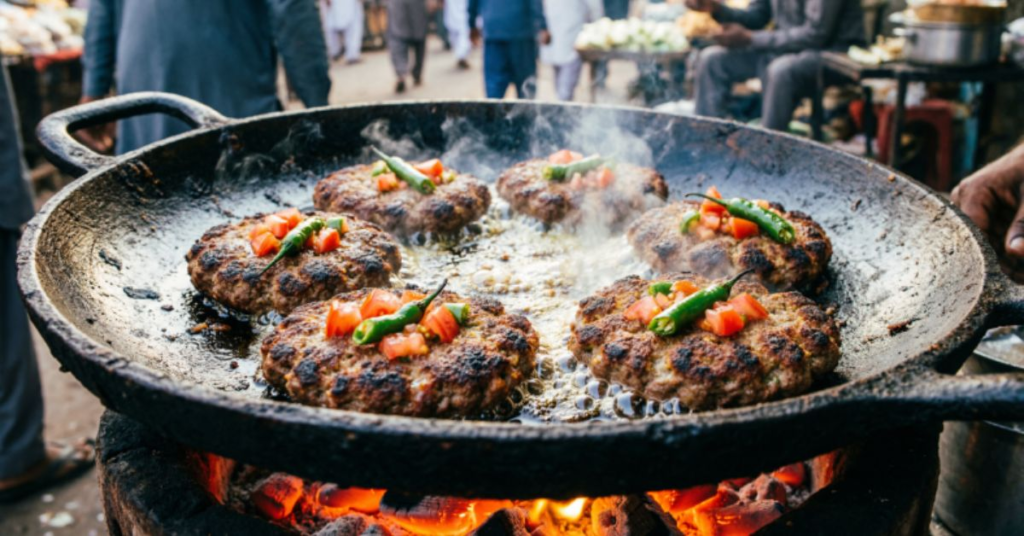
Peshawar’s food culture is Central Asian in DNA, deeply Afghan-influenced, and entirely protein-dominant. The legendary hospitality of the dastarkhwan translates directly into the portion sizes and quality you get on the street.
Signature Dishes You Cannot Miss
Chapli Kebab, the flat, herb-loaded beef patty is Peshawar’s gift to the world, incomparably better here than any Karachi or Lahore copy. Add Teka Kebab (flame-grilled skewers), Lamb Karah (cast-iron, pure Desi ghee), Mantu (Afghan stuffed dumplings with yogurt and tomato), and Peshawari Pulao with thick qorma. For breakfast: Kabuli Painda dunked in sweet Chai Kawa.
The Insider Secret
Namak Mandi is the address but guidebooks miss the real trick. The best Karahi is never at the first stall from the main road. Walk 3 to 4 stalls deep into the alley to find family operations running since the 1960s. Order Mutton Karahi for two minimum smaller portions suffer in oil-to-meat ratio. Go between 1 PM and 4 PM when Dhuaan from wood fires is at its peak.
Real vs. Overrated Verdict
OVERRATED: Charsi Tikka shops near Hayatabad viral fame made them high-priced and inconsistent.
REAL: No-name Chapli Kebab wallahs near Qissa Khwani Bazaar still use the higher fat-to-lean ratio and cast iron tawa that the famous shops abandoned for speed.
2026 Price Index Peshawar
| Dish | Avg Price (PKR) | Vendor Type | Payment |
| Chapli Kebab (2 pcs) | 300 to 450 | Namak Mandi | Cash |
| Mutton Karahi (1 kg) | 2,500 to 3,500 | Namak Mandi | Cash / EasyPaisa |
| Mantu (plate, 8 pcs) | 400 to 600 | Qissa Khwani | Cash |
| Teka Kebab (per kg) | 1,800 to 2,500 | Street Stall | Cash |
| Peshawari Pulao | 350 to 550 | Dhaba | Cash |
| Kawa Chai (cup) | 80 to 120 | Chai Khana | Cash |
Hygiene Score Card Peshawar
| Parameter | Score (1–10) | Notes |
| Water Quality | 5/10 | Use bottled water strictly |
| Food Handling | 7/10 | High-heat cooking neutralizes risk |
| Waste Management | 5/10 | Namak Mandi improving |
| Vendor Certification | 4/10 | Largely informal sector |
| Overall Hygiene Rating | 5.5/10 | Acceptable prioritize high-heat dishes |
Best Time: Weekday afternoons, 1 to 4 PM in Namak Mandi. Avoid peak summer. Digital Payments: Cash dominant at 75%; only ~25% digital adoption in 2026.
Street Food in Gujranwala: Pakistan’s Most Underrated Food City
Gujranwala the “City of Wrestlers” is the most criminally underrated food destination in Pakistan. Per capita meat consumption here ranks among the highest in the country, and its food culture reflects a working-class authenticity rapidly disappearing in larger cities.
Signature Dishes You Cannot Miss
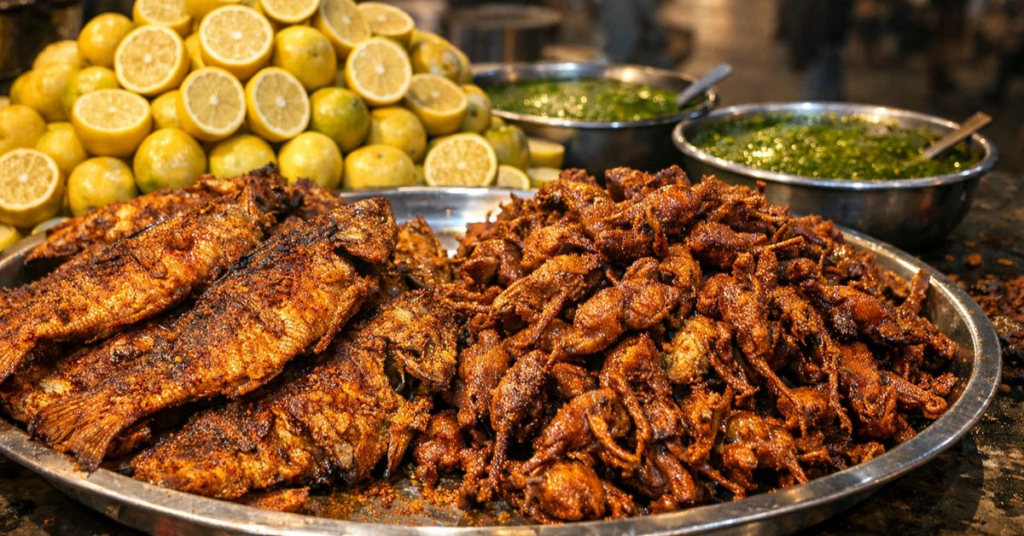
Gujranwala’s identity dish is its Karahi minimal water, maximum Desi ghee, oil fully separated (the mark of proper technique). Add Fried Fish from famous Pakora spots, Gajrela (carrot-based sweet pudding), Mutton Pulao with fried onion tarka, and the local-style Channay with achaar from stalls near Trust Plaza.
The Insider Secret
The industrial workers’ dhabas near steel and sports goods manufacturing zones serve enormous portions of Karahi and Daal Makhani at 30–40% cheaper than Lahore. Operating 7 AM to 10 PM for factory shift workers, the food is fast, heavy, and authentic. Ask any local for “factory area dhaba” they know exactly where to send you.
Real vs. Overrated Verdict
OVERRATED: Flashy food courts on GT Road serving Lahori-style dishes that miss what makes Gujranwala distinctive.
REAL: Karahi stalls in Qila Didar Singh area with original ghee heavy technique, no tourist markup, full chaska.
2026 Price Index Gujranwala
| Dish | Avg Price (PKR) | Vendor Type | Payment |
| Gujranwala Karahi (1 kg) | 2,000 to 2,800 | Old City Stall | Cash / JazzCash |
| Fried Fish (per kg) | 1,200 to 1,800 | Canal Road | Cash |
| Gajrela (250g) | 200 to 350 | Sweet Shop | Cash / EasyPaisa |
| Mutton Pulao (plate) | 400 to 600 | Dhaba | Cash |
| Channay with Achaar | 150 to 220 | Bazaar Stall | Cash |
Hygiene Score Card Gujranwala
| Parameter | Score (1–10) | Notes |
| Water Quality | 5/10 | Use filtered/bottled strictly |
| Food Handling | 6/10 | Industrial dhabas more consistent |
| Waste Management | 5/10 | Old city areas need improvement |
| Vendor Certification | 4/10 | Informal sector dominant |
| Overall Hygiene Rating | 5/10 | Stick to high-turnover stalls |
Best Time: 12 PM–8 PM weekdays. Digital Payments: JazzCash at ~40% adoption in 2026.
Street Food in Multan: Sweetness, Sufism, and Slow Food
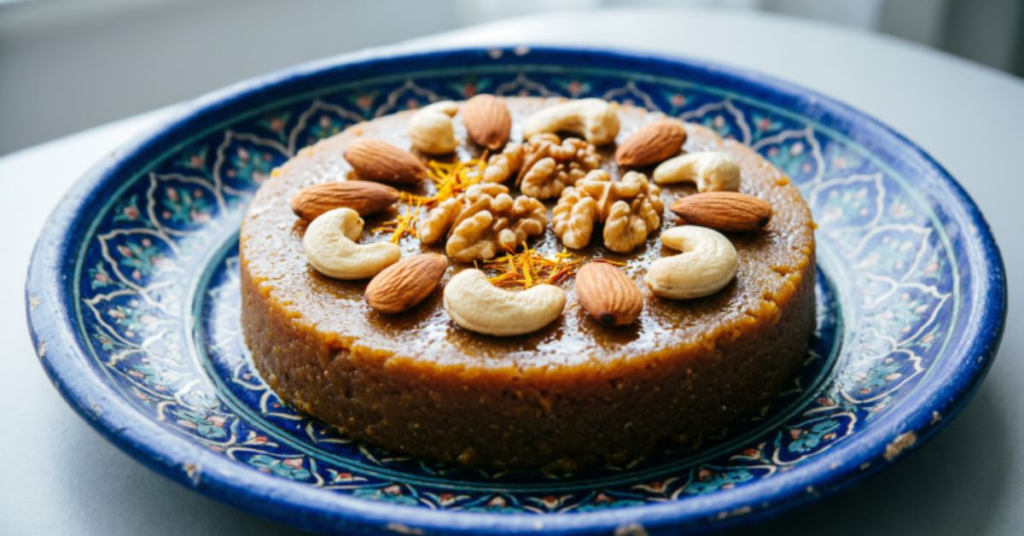
Multan the City of Saints is the only major Pakistani city where sweet dishes hold equal street status with savory ones. Centuries-old recipes survive here unchanged because of their deep religious and cultural roots.
Signature Dishes You Cannot Miss
Sohan Halwa (flaky, saffron-infused sweet from wheat starch and nuts) is Multan’s most famous export, buying it from original factories near Hussain Agahi Bazaar. Also essential: Multani Kheer, Mitti da Lacha Paratha (earthen-clay cooked flatbread), Soji Halwa with desi ghee, and the Multani Nashta plate egg, cream, honey, and bread at old-city tea houses. Multani Karahi runs more tomato-forward and lighter in oil than the Lahori version.
The Insider Secret
Real Sohan Halwa uses kewra water and pure desi ghee in ratios commercial producers abandoned long ago. Buy from small family karkhanas in Hussain Agahi’s side lanes, not the branded shops. Ask for “asli ghee wala” . It costs 20 to 30% more but the texture difference is instant. Visit in the morning when the first batch is freshly made and still warm.
Real vs. Overrated Verdict
OVERRATED: Branded Sohan Halwa export shops consistent but bulk-made for shipping, not fresh consumption.
REAL: Earthen pot Nashta at old-city tea houses, Rabri served in clay kulhars irreplaceable experience for under Rs. 300.
2026 Price Index Multan
| Dish | Avg Price (PKR) | Vendor Type | Payment |
| Sohan Halwa (250g, premium) | 500 to 800 | Old Bazaar Factory | Cash / EasyPaisa |
| Multani Nashta Plate | 250 to 400 | Tea House | Cash |
| Mitti da Lacha Paratha | 80 to 150 | Street Stall | Cash |
| Multani Karahi (1 kg) | 1,800–2,600 | Dhaba | Cash / JazzCash |
| Kheer (per cup) | 150 to 250 | Sweet Shop | Cash |
| Kulhar Rabri (clay cup) | 120 to 200 | Old City | Cash |
Hygiene Score Card Multan
| Parameter | Score (1–10) | Notes |
| Water Quality | 5/10 | Tap water unsafe bottled only |
| Food Handling | 7/10 | Sweet-focused vendors more careful |
| Waste Management | 5/10 | Shrine areas better maintained |
| Vendor Certification | 4/10 | Traditional system, unregulated |
| Overall Hygiene Rating | 5.5/10 | Safe if you stay with reputable vendors |
Best Time: 7 to 10 AM for Nashta and fresh Halwa. Digital Payments: EasyPaisa at ~45% adoption, growing steadily.
The Street Food Safety Protocol: Defeating Delhi Belly in Pakistan
Reddit and Quora threads on Pakistani street food share one common fear: gastrointestinal illness. Here is the practical, evidence-based protocol not the vague “be careful” advice most blogs recycle.
The Water Rule: Pakistan’s municipal water carries microbial risk in all five cities. Never consume tap water, open-container ice, or chutneys made with unfiltered water. Specify “bina baraf” (without ice) at drink stalls unless you can verify the ice source.
The Cooking Heat Rule: Anything cooked at extreme continuous heat is your safest bet. Use the sizzle test food should visibly steam when served. Skip raw salads, open-air cut fruit, and room-temperature chutneys that have been sitting for hours.
The High Turnover Rule: The longest queue is almost always the safest stall. Busy pots stay hot. A slow selling Karahi pot becomes a liability.
Probiotic Prep: If returning from abroad, start Saccharomyces boulardii (most evidence-backed for traveler’s diarrhea) 48 hours before your first street meal. Carry ORS sachets Rs. 30 to 50 at any pharmacy as backup.
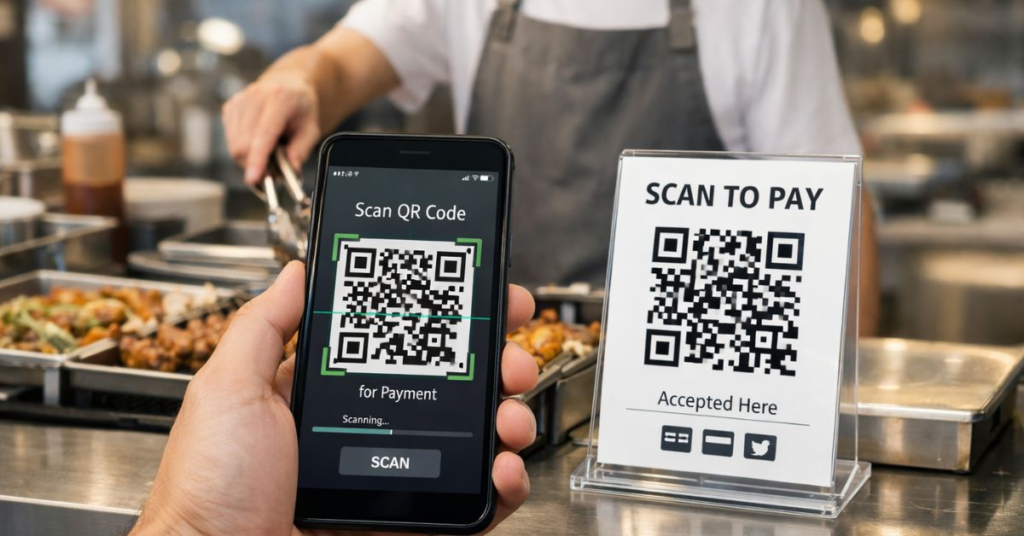
Digital Payment Hygiene Bonus: Paying via EasyPaisa or JazzCash QR eliminates handling currency before eating a real microbial risk reduction. With 60 to 65% adoption in Karachi and Lahore, it’s increasingly practical.
Master Comparison: Pakistan’s Top Street Food Cities at a Glance
| City | Signature Dish | Hygiene Rating | Avg Meal (PKR) | Best Time | Digital Pay % |
| Karachi | Bun Kebab / Nihari | 5/10 | 300 to 600 | 8 PM–2 AM | 60% EasyPaisa |
| Lahore | Siri Paye / Chargha | 6.5/10 | 350 to 700 | 5–8 AM / 7–11 PM | 65% JazzCash |
| Peshawar | Chapli Kebab / Karahi | 5.5/10 | 400 to 800 | 1 PM to 4 PM | 25% Cash-dominant |
| Gujranwala | Gujranwala Karahi | 5/10 | 250 to 500 | 12 PM to 8 PM | 40% JazzCash |
| Multan | Sohan Halwa / Nashta | 5.5/10 | 200 to 500 | 7 AM to 10 AM | 45% EasyPaisa |
The Final Verdict: Where to Go Based on What You Want
Pakistan’s street food in 2026 is more accessible than ever digital payments, improved vendor infrastructure, and growing food tourism have all played a role. But the soul of this culture hasn’t moved: it lives in the second alley, the pre-dawn dhaba, the vendor who’s been at the same corner for forty years.
For maximum variety: Lahore. For round-the-clock coastal eating: Karachi. For protein-forward intensity: Peshawar. For underrated authenticity: Gujranwala. For a sweet, spiritually-layered journey: Multan.
The chaska is real. Eat where the locals eat, respect the safety protocol, and Pakistan’s streets will feed you better than any restaurant ever could.
Frequently Asked Questions
1. Which city in Pakistan has the best street food overall?
Lahore, based on variety, heritage, accessibility, and hygiene standards relative to other cities. Food Street, Gawalmandi, and Walled City together offer an unmatched density of culinary options from dawn to midnight.
2. Is street food in Pakistan safe for overseas Pakistanis with sensitive stomachs?
Yes, with precautions. Eat only freshly cooked sizzling dishes, avoid raw items and tap-water drinks, and start probiotics 48 hours before your trip. Begin with low-risk items like freshly fried Bun Kebab or Karahi before trying slow-cooked curries and raw chutneys.
3. What is the average budget for a street food day in Lahore in 2026?
PKR 1,500 to 2,500 per person covers a full day Siri Paye breakfast, a midday Karahi or Channay plate, and an evening Chargha with Naan. Karachi runs approximately 20 to 30% higher for comparable dishes.
4. Can I use digital payments at Pakistani street food stalls?
EasyPaisa and JazzCash QR codes are widely accepted in Lahore (65%) and Karachi (60%). International credit cards are rarely accepted at street level. Always carry cash for Peshawar, Gujranwala, and smaller Multan vendors where digital adoption is below 45%.
5. What is the best time of year to visit Pakistan for street food tourism?
October to March cooler temperatures (15 to 25°C) reduce food spoilage risk and make outdoor eating comfortable. Ramadan’s Iftaar hours in Lahore’s old city are a street food festival in themselves, but eating schedules shift entirely to after sunset.